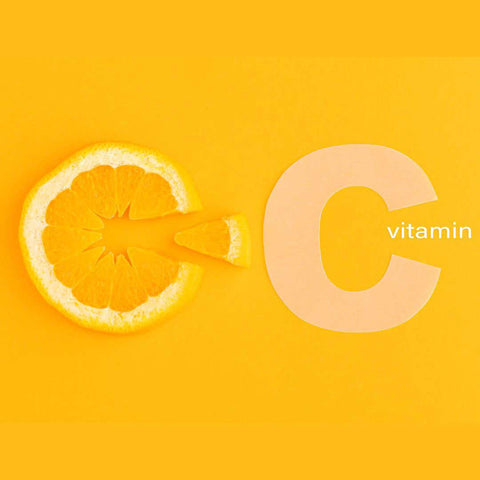
vitamin c skin lightening

Vitamin C and skin lightening

Vitamin C is renowned for its antioxidant properties, which benefit a person's health in numerous ways. These benefits now extend to improving skin appearance and preventing and reducing hyperpigmentation. Vitamin C is poised to become a must-have for all wellness and beauty regimens, as it has been shown to be highly beneficial for both skin health and appearance. In this article, we will explore the benefits of vitamin C and its effects on skin lightening. We will also discuss ways to incorporate it into a skin-lightening regimen for optimal results.

vitamin c

The role of vitamin C in the human body

Vitamin C is an essential vitamin that we need to consume to maintain good health. It is known as one of the most beneficial vitamins for the human body because it plays a role in many vital functions.
Vitamin C is a water-soluble vitamin, meaning it dissolves in water and is therefore easily absorbed by the body. Vitamin C is essential for the proper functioning of organs and systems. In particular, it plays an important role in the immune system and helps protect it against certain viruses and diseases. It is important to note that there is no naturally occurring form of vitamin C in the body, so it must be obtained through supplements.
Vitamin C also has antioxidant properties, meaning it helps protect the body from damaging free radicals released when our bodies are stressed or ill. Recent studies have shown that vitamin C may help improve heart health and reduce the risk of certain cancers. It is also very effective at helping to regenerate collagen—a type of protein that strengthens muscles, skin, and joints.
Vitamin C is also very beneficial for mental health. Studies have shown that adequate vitamin C intake can help combat anxiety and depression. Similarly, research has shown that vitamin C may help relieve stress and improve mood.
Finally, vitamin C is crucial for healthy bones and teeth. It regulates bone production and helps reduce the risk of osteoporosis, a condition in which bones become more fragile. Similarly, it aids in tooth mineralization and helps prevent cavities and sensitive teeth.

Benefits of vitamin C for skin lightening

Vitamin C is an essential nutrient that plays a role in the overall health of our skin. It is very effective at brightening the skin, eliminating dark spots, and accelerating the skin's healing process. Its beneficial effects on the skin have made it a star ingredient in cosmetics and one of the most popular skincare products in the world.
Vitamin C is a powerful antioxidant that protects the skin from external aggressors and offers profound health benefits. Vitamin C is also known to stimulate collagen production, which helps give skin a firmer, smoother appearance. The antioxidants it contains are also believed to reduce oxidative damage caused by UVA/UVB rays, which may help lower the risk of skin cancer.
Vitamin C is known for its excellent skin-brightening properties. It is also very useful for lightening dark spots and scars. Vitamin C also has exfoliating properties that can be beneficial for those looking to refine their skin texture. It can also help combat hyperpigmentation and age spots.
In addition to being a powerful antioxidant and skin-brightening agent, vitamin C can also help reduce inflammation and protect the skin from sun damage, making it a highly effective treatment for people suffering from skin problems such as acne and eczema.
Vitamin C is available in various forms, including supplements and cosmetics. Cosmetic products containing vitamin C can be applied directly to the skin, while supplements must be taken orally, intravenously, or as a patch. Topical vitamin C cosmetics have become very popular because they generally contain more active ingredients and higher doses than oral supplements.

Skin lightening mechanism with vitamin C

The skin-lightening mechanism of vitamin C works by blocking the formation of melanin, the primary cause of skin pigmentation. Vitamin C can also help reduce damage caused by UV rays. In addition, it has anti-inflammatory and antioxidant properties that can help reduce redness and fade dark spots. A study published in the Journal of Clinical and Aesthetic Dermatology showed that using a vitamin C cream for 12 weeks resulted in a significant improvement in hyperpigmentation and an overall improvement in the skin's appearance. (“The Benefits of Vitamin C for Skin,” 2020). Vitamin C can be applied directly to the skin, taken orally, administered intravenously, or as a transdermal patch. Skincare products containing vitamin C can also be used to help lighten the skin.

Most efficient absorption of vitamin C

Vitamin C can be taken orally, intravenously, or via a transdermal patch. It is therefore important to understand the effectiveness of these different methods of administration. Vitamin C, also known as ascorbic acid, is an essential vitamin that can be obtained through diet or supplements. Although it is often taken orally, other methods of administration are also used. The effectiveness of ascorbic acid, taken in these different forms, in terms of absorption and efficacy, has been the subject of several studies.

Taking vitamin C orally is quick and easy, but it's not as effective at achieving optimal levels in the body. This is due to vitamin C's instability; it can be easily destroyed by stomach acid. However, it can still benefit people with nutritional deficiencies and those whose needs exceed the amount they normally receive from their diet. Vitamin C is readily absorbed by the intestines when taken orally. However, the effects on the body achieved through oral administration are limited because a very large amount would need to be administered to obtain a significant benefit. This limitation is due to the critical threshold effect, whereby the amount administered cannot exceed the intestines' absorption capacity.

Intravenous injection is considered one of the most effective ways to obtain a high and precise dose of vitamin C. It is rapidly absorbed and easily metabolized, resulting in high blood levels and potentially helping to alleviate symptoms and improve overall health. It is also a valuable option for individuals with nutritional deficiencies or exceptional metabolic needs. Clinical studies of intravenous ascorbic acid administration have shown that it can help reduce the side effects of radiation and chemotherapy and enhance anti-inflammatory, antioxidant, and anti-cancer effects [1].

Finally, transdermal patches are a form of supplementation that can be applied to a part of the body and deliver vitamin C through the skin. These patches can provide a stable level of vitamin C in the blood, thanks to their "reservoir" function, which allows for long-term administration. According to a study published in the Journal of Pharmaceutical Sciences [2], the use of vitamin C patches could help maintain higher and more stable vitamin C levels than those obtained through oral administration.

vitamin C absorption
Vitamin C, when taken in various ways, can have significant health and wellness benefits, but it's important to understand which method of administration is most appropriate for each individual's specific needs. While each method has its advantages and disadvantages, intravenous administration and the application of transdermal vitamin C patches appear to be the most effective for achieving positive health effects.
References
[1] Padayatty SJ et al. Intravenous ascorbate as a tumor cytotoxic chemotherapeutic agent: chemistry, pharmacokinetics, and pharmacodynamics. Med Vitae. 2003; 69(8): 821–27.

[2] Othman NS et al. Skin permeability of ascorbic acid from transdermal patches. Journal Pharmaceutical Sciences. 1998; 87(10): 1163–314.

How ascorbic acid promotes collagen production

Ascorbic acid (vitamin C) is an essential nutrient that aids in collagen production and maturation. Vitamin C promotes collagen synthesis by stimulating enzymatic activity, enhancing the transport of prolyl and lysyl hydroxylases, and providing substrates necessary for the synthesis of covalent bonds between collagen molecules. Furthermore, vitamin C is an antioxidant that protects collagen fibers from degradation and can help prevent the formation of free radicals. Studies have shown that ascorbic acid can increase collagen production and improve its quality.

Studies on vitamin C and skin lightening

The effectiveness of vitamin C for skin lightening is well-documented. Preclinical and clinical scientific studies have revealed vitamin C's ability to lighten dark spots, fine lines, and even reduce pore size due to its capacity to stimulate collagen production. Other studies have shown that vitamin C has antioxidant properties that can decrease inflammation and damage caused by ultraviolet rays, thus reducing the signs of premature aging.
But vitamin C's true power for skin lightening lies in its ability to inhibit melanin, the substance that pigments skin and is produced by cells responsible for pigmentation. Vitamin C can prevent these cells from absorbing the calcium and nutrients necessary for melanin production. This means that by reducing melanin buildup, vitamin C can help reduce hyperpigmentation, reversing dark spots and giving your skin a more even tone.
In addition to its skin-brightening properties, vitamin C may also help reduce the risk of skin cancer and improve hair strength and health. A study published in the Journal of Investigative Dermatology found that people who get sufficient levels of vitamin C have a lower risk of skin cancer and a reduced risk of melanoma, the most aggressive type of skin cancer.
According to Dr. Whitney Bowe, dermatologist and author of *The Beauty of Dirty Skin*, vitamin C is "a powerful antioxidant necessary for healthy skin cells and for preventing damage caused by free radicals." She goes on to explain: "Your skin needs vitamin C to function properly. It promotes collagen production, which improves your skin's elasticity and gives it a smoother, more youthful appearance. Vitamin C is also essential for healing, as it regenerates and protects cells damaged by exposure to UVA and UVB rays, pollution, and oxidative stress."
Research suggests that topical vitamin C products can be effective in minimizing the appearance of fine lines, dark spots, and scars. Using a product containing 10 to 15% vitamin C provides measurable benefits. Furthermore, it's important to ensure you're using the right product—one that not only stimulates collagen production but also helps maintain its effects long-term.
According to Dr. Mona Gohara, a dermatologist at Yale-New Haven Hospital, "Topical vitamin C products are very safe and hydrate your skin while protecting it from damage caused by UV rays and environmental factors that affect its radiance." She also states that "it's important to find the right product with a neutral pH to avoid aggravating or developing skin blemishes."


There's no doubt that vitamin C is a top ingredient for skin lightening. If you're looking to reduce dark spots, lower your risk of skin cancer, and improve the overall appearance and health of your skin, try vitamin C products. For even better results, combine these products with other skincare products to hydrate and protect your skin from harmful rays and other environmental factors.

Back to Blog

Leave a comment

Please note, comments need to be approved before they are published.